

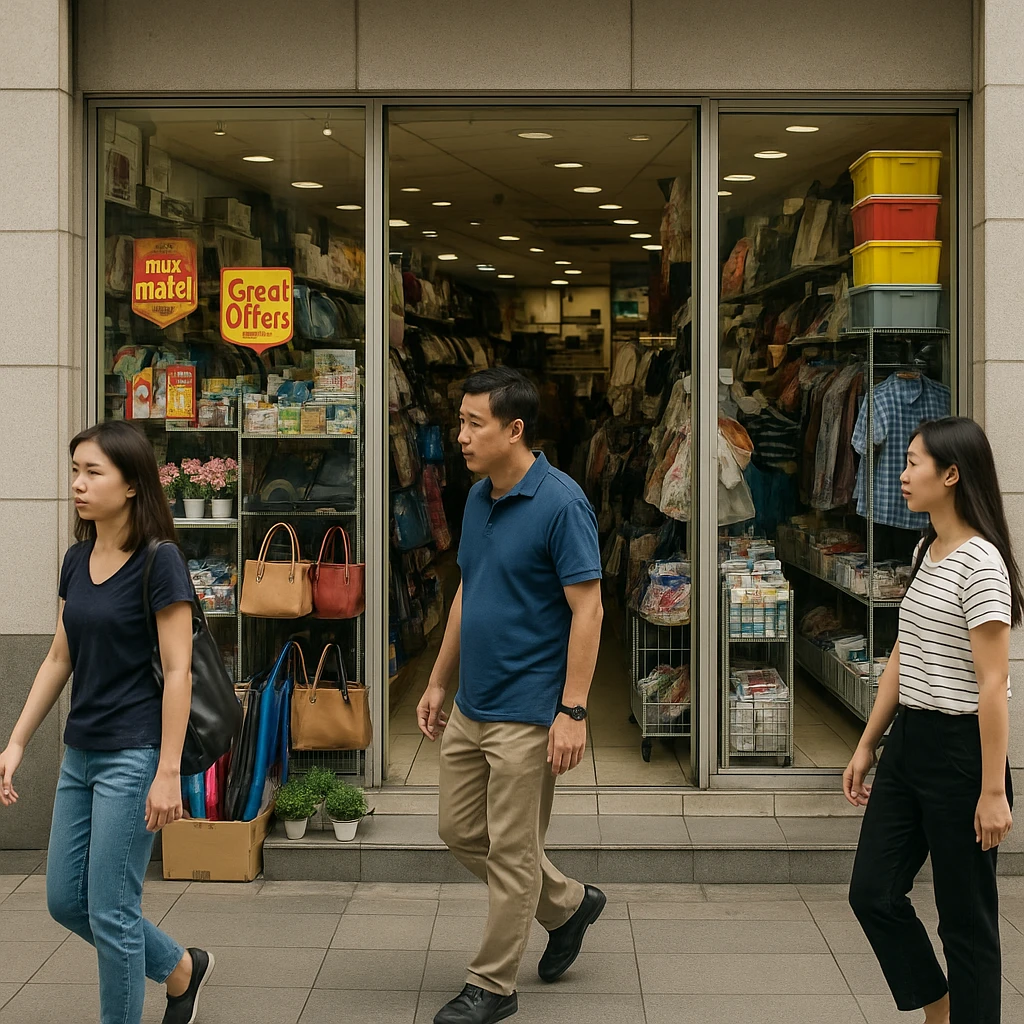
Have you ever walked past a store and felt no desire to enter — even though you couldn’t explain why?
It’s not always about price, brand, or product.In many cases, customers subconsciously decide not to enter a store within seconds, based purely on how the space makes them feel.
In Singapore’s competitive retail and F&B environment, understanding why customers avoid certain spaces is just as important as knowing how to attract them.
1. Customers Decide Emotionally Before Logically
People like to believe they make rational decisions, but research consistently shows that most retail decisions are emotional first.
Before a customer thinks:
- “What do they sell?”
- “Is it affordable?”
They feel:
- “This place looks uncomfortable”
- “This feels messy”
- “I don’t belong here”
- “I don’t feel relaxed”
If the feeling is wrong, they walk away — without even realizing why.
2. Clutter Creates Mental Stress
Stores that feel overcrowded visually often push customers away.
Common causes:
- Too many items at the entrance
- Narrow walkways
- Overfilled shelves
- Inconsistent décor
- Poorly placed fixtures
When customers feel visually overwhelmed, their instinct is to escape, not explore.
Clean, well-spaced environments feel calmer and more inviting — even if they sell similar products.
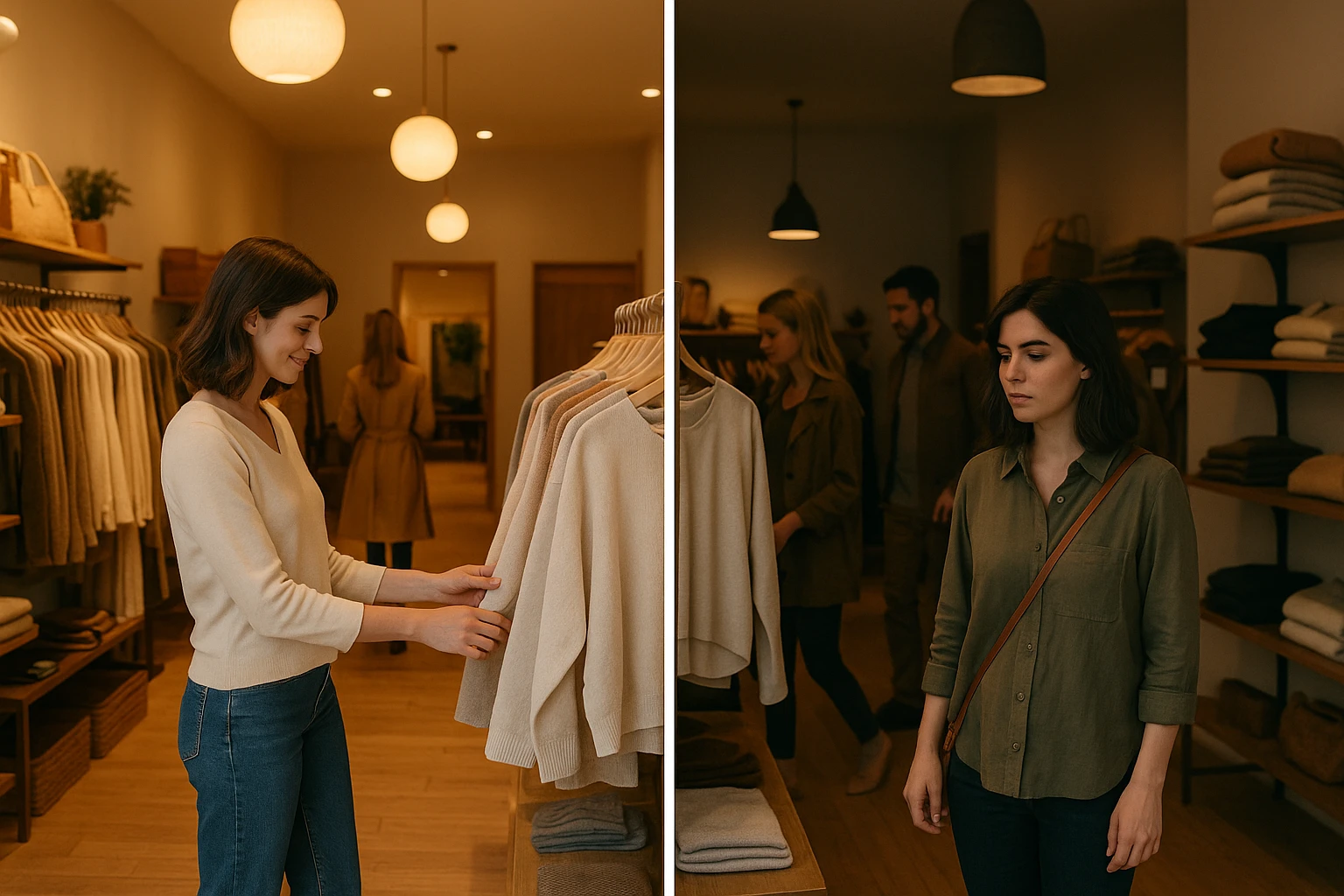
3. Poor Lighting Makes Spaces Feel Unwelcoming
Lighting affects mood more than most retailers realise.
Dark, uneven, or harsh lighting can make a store feel:
- Closed
- Uninviting
- Cheap
- Stressful
Good lighting, on the other hand:
- Makes spaces feel open
- Improves product appearance
- Creates warmth and comfort
Customers naturally gravitate toward well-lit spaces because they feel safer and more pleasant.
4. Tight Spaces Trigger Discomfort
In Singapore, space is limited — but tight layouts don’t have to feel cramped.
Customers avoid stores where:
- They feel trapped
- They worry about bumping into others
- There’s no clear path through the store
Good spatial flow allows customers to:
- Move freely
- Browse at their own pace
- Feel in control
If movement feels awkward, customers leave quickly.
5. Noise and Chaos Drive People Away
A store doesn’t need to be silent — but excessive noise creates tension.
Examples:
- Loud echoes
- Competing sounds
- Poor acoustics
- Crowded entrances
Comfortable stores manage sound naturally, allowing customers to relax and stay longer.
6. Unclear Entrances Cause Hesitation
If customers don’t immediately understand:
- Where to enter
- Where to browse
- Where to stand
They hesitate — and hesitation often leads to walking away.
Clear entrances, visible pathways, and logical layouts make customers feel confident stepping inside.
7. Comfort Increases Dwell Time — And Sales
The longer a customer stays, the more likely they are to buy.
Comfortable spaces encourage:
- Slower browsing
- Emotional connection
- Trust
- Repeat visits
Discomfort shortens visits. Comfort extends them.
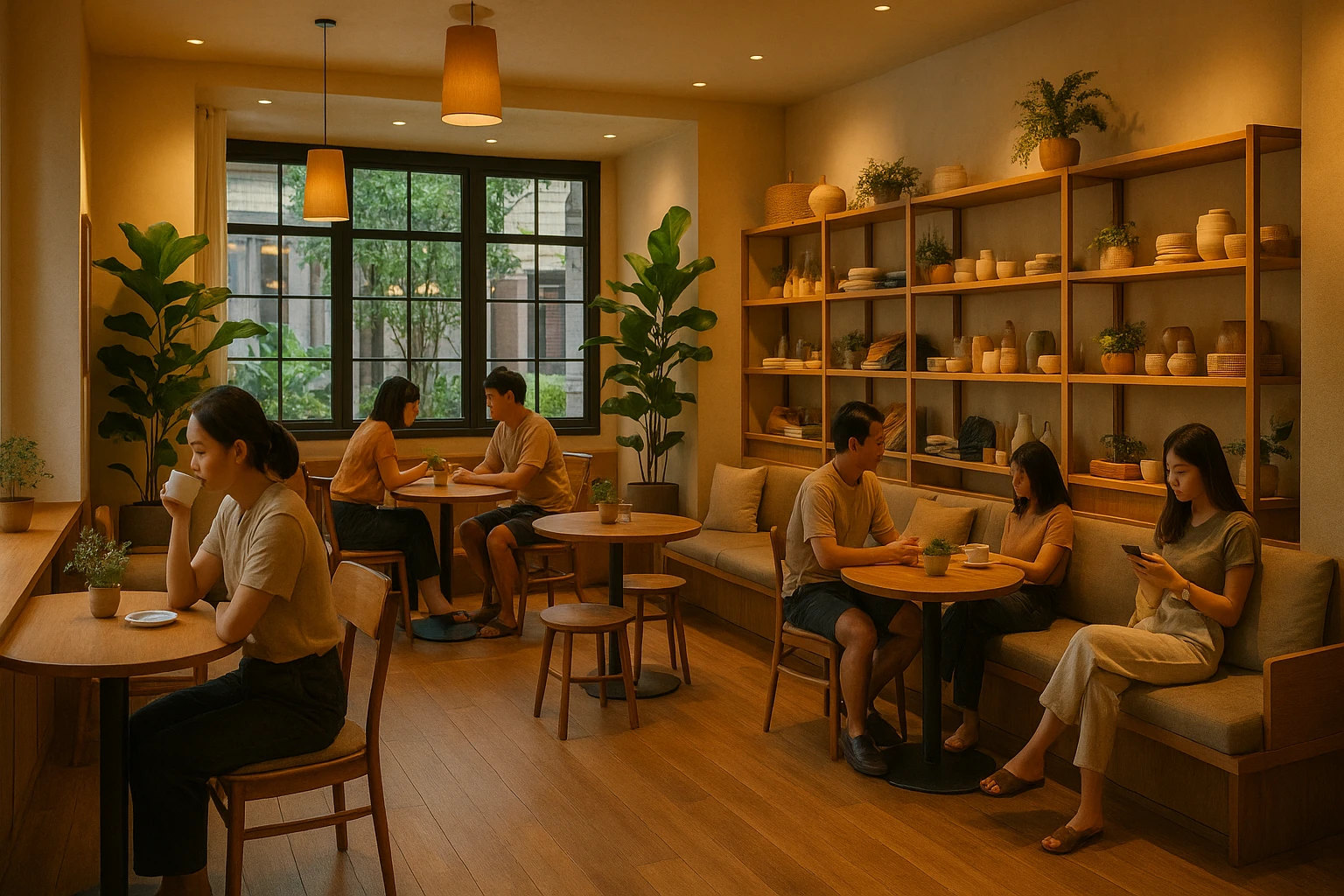
8. Stores Don’t Need to Be Fancy — Just Thoughtful
A store doesn’t need luxury materials or a big renovation to feel inviting.
Small improvements make a big difference:
- Better spacing
- Cleaner layouts
- Improved lighting
- Thoughtful flow
When a space feels intentional, customers feel welcomed.
Conclusion: Customers Avoid Discomfort, Not Stores
Customers rarely think:
“This store is badly designed.”
Instead, they think:
“Let’s go somewhere else.”
Understanding why customers avoid certain spaces allows businesses to make smarter design decisions — ones that improve comfort, increase dwell time, and naturally boost sales.
In a city like Singapore, where competition is everywhere, comfort is not a luxury — it’s a necessity.