
DS VISUAL · Commercial display solutions
Indoor LED Display and LED Video Wall Solutions
Flat walls, true curves and hanging LED screens each require a different construction method. Compare Atomic 13, Tetsu and Show Series to plan a practical installation.
LED Video Wall Singapore
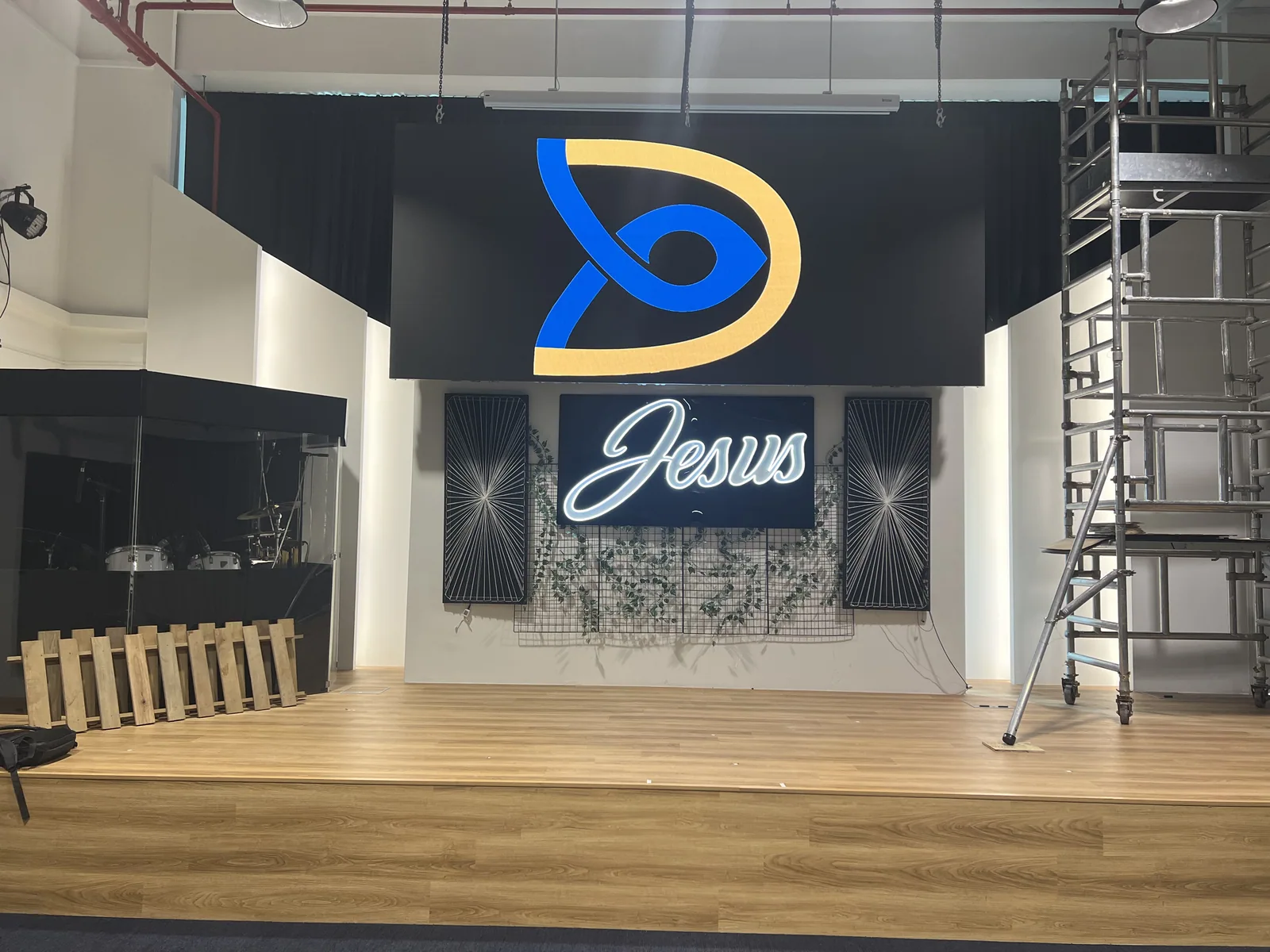
Three different build methods suit three different applications: Atomic 13 for flat walls, Tetsu for curved and custom forms, and Show Series for hanging installations in halls and stages.
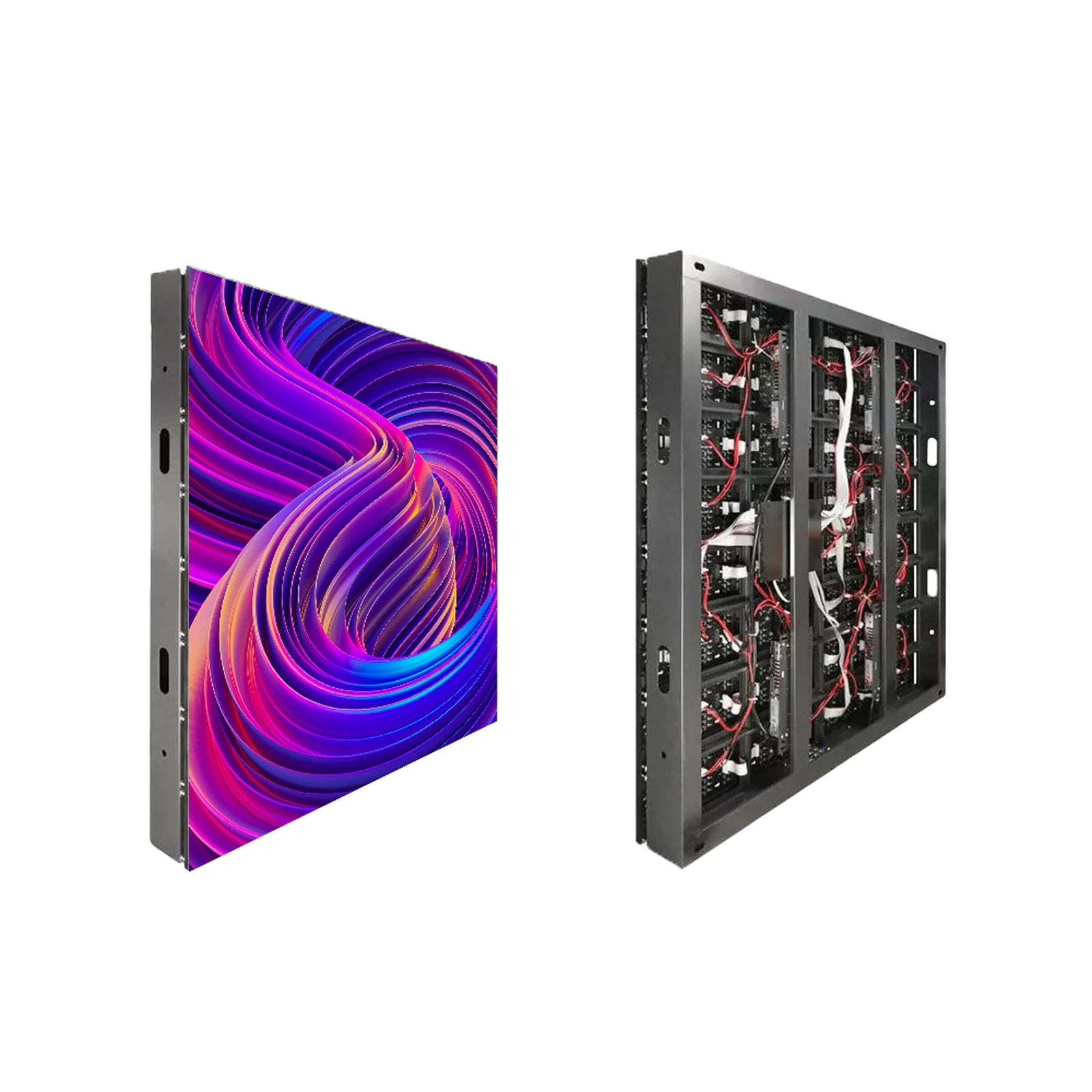
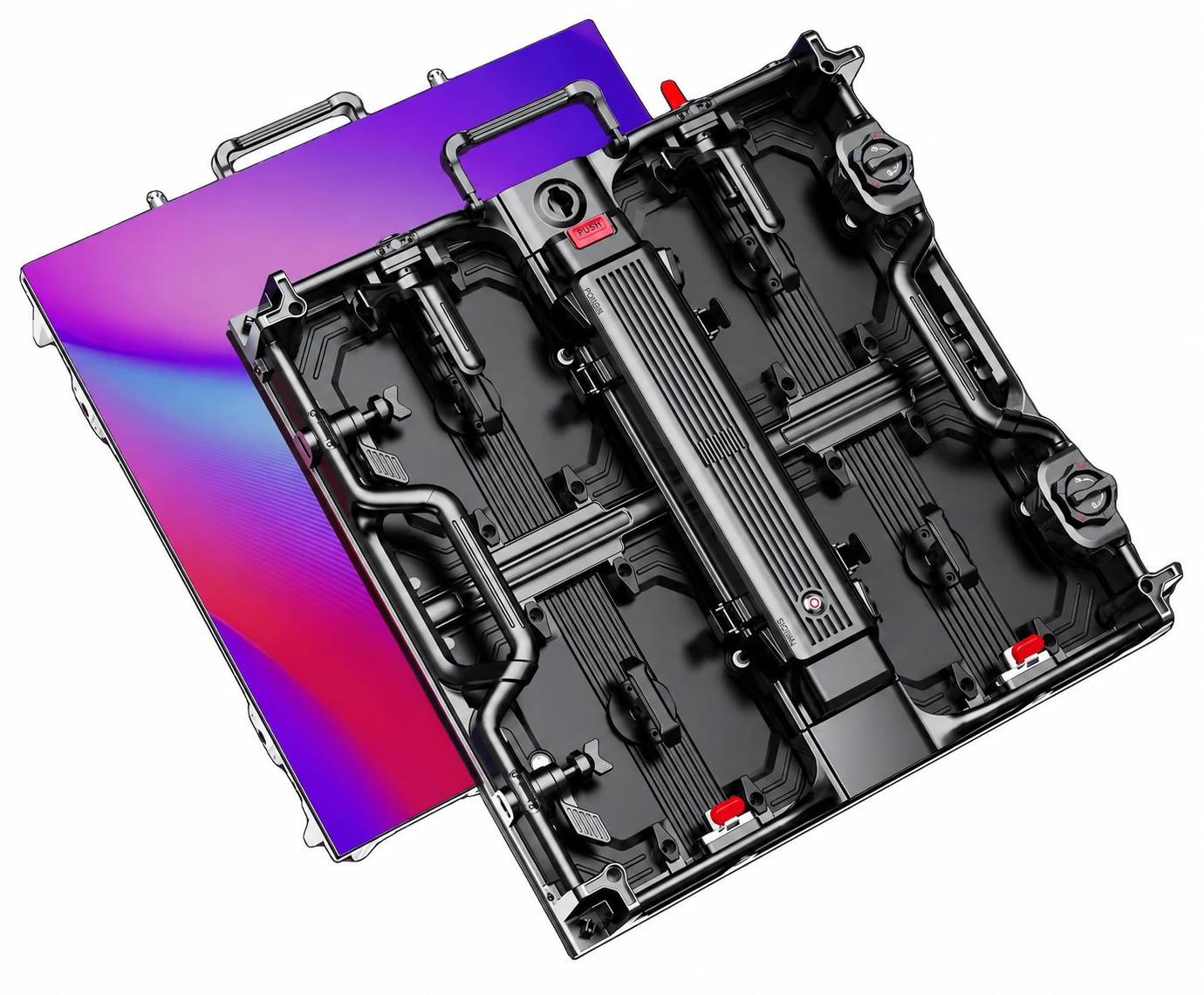
Show Series
500 × 500 mm cabinets with quick connections for chain-hoist hanging installations.
See Show SeriesRunning several sources or a picture-in-picture? See our video wall controllers.
Compare Atomic 13, Tetsu and Show Series
| Atomic 13 | Tetsu | Show Series | |
|---|---|---|---|
| Best for | Flat walls; quick installation | Curved, spiral and custom shapes | Hanging installs in auditoriums, multipurpose halls, community centre halls and stages |
| Construction | Modules fix into a 640 × 480 mm aluminium cabinet | Magnetic modules on a custom-built frame | 500 × 500 mm cabinets, plug-in power box, quick power and data connections; flown on chain hoists |
| Finest pixel pitch | P1.25 | P2 (DS VISUAL minimum) | Usually P3 to P4 |
| Cabinet depth | About 60–75 mm | About 90–100 mm | Not a factor; hung on chain hoists |
| Maintenance | Front | Front | Front and rear |
| Curves | No | True curves and custom shapes | Slight faceted arc only, using angled flat cabinets |
Atomic 13 Series: Flat LED Walls Down to P1.25
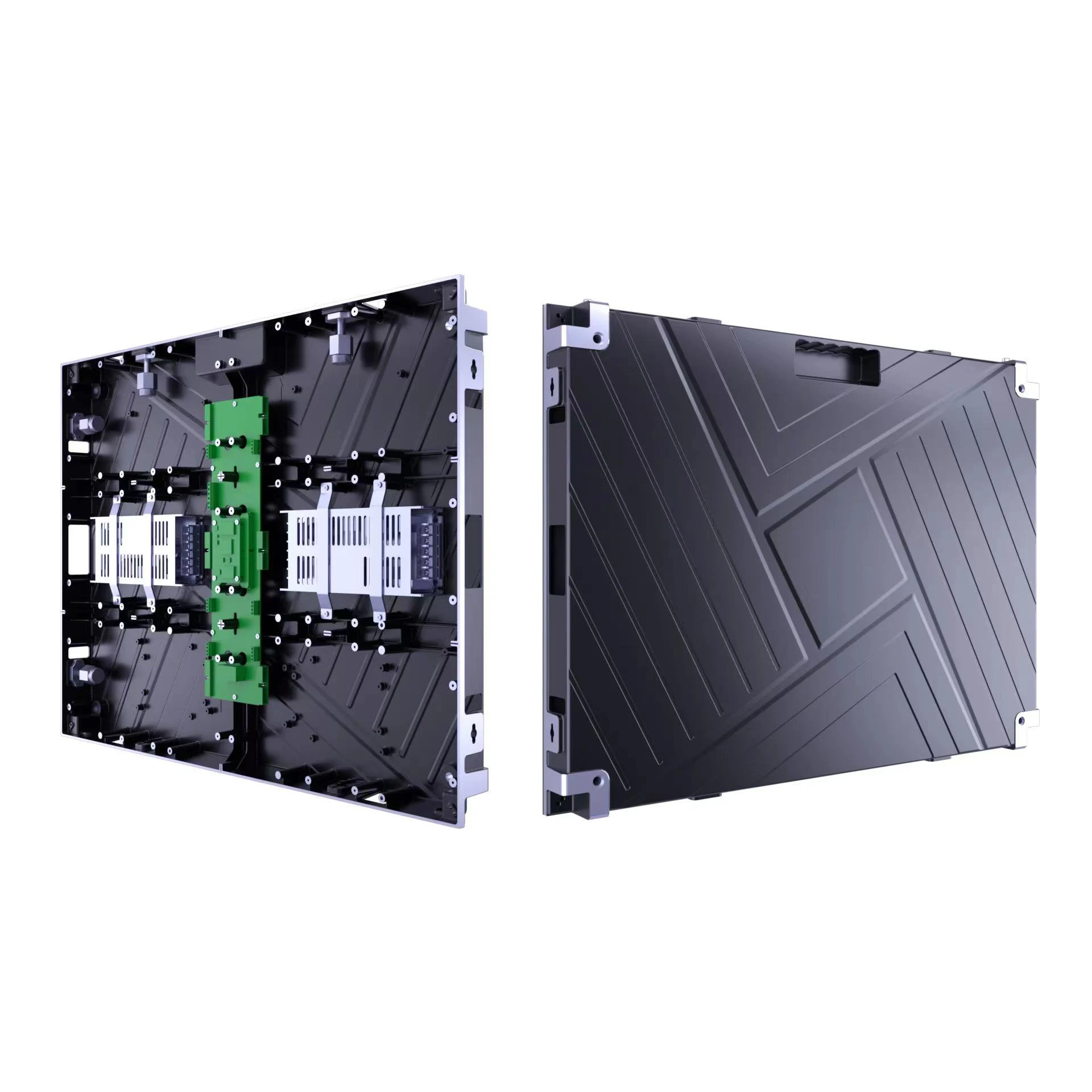
Atomic 13 is our standard choice for flat LED walls. Its modules fix into rigid 640 × 480 mm aluminium cabinets, allowing easier and faster installation compared with a custom-shaped frame.
Atomic 13 is designed for flat installations, not curves.
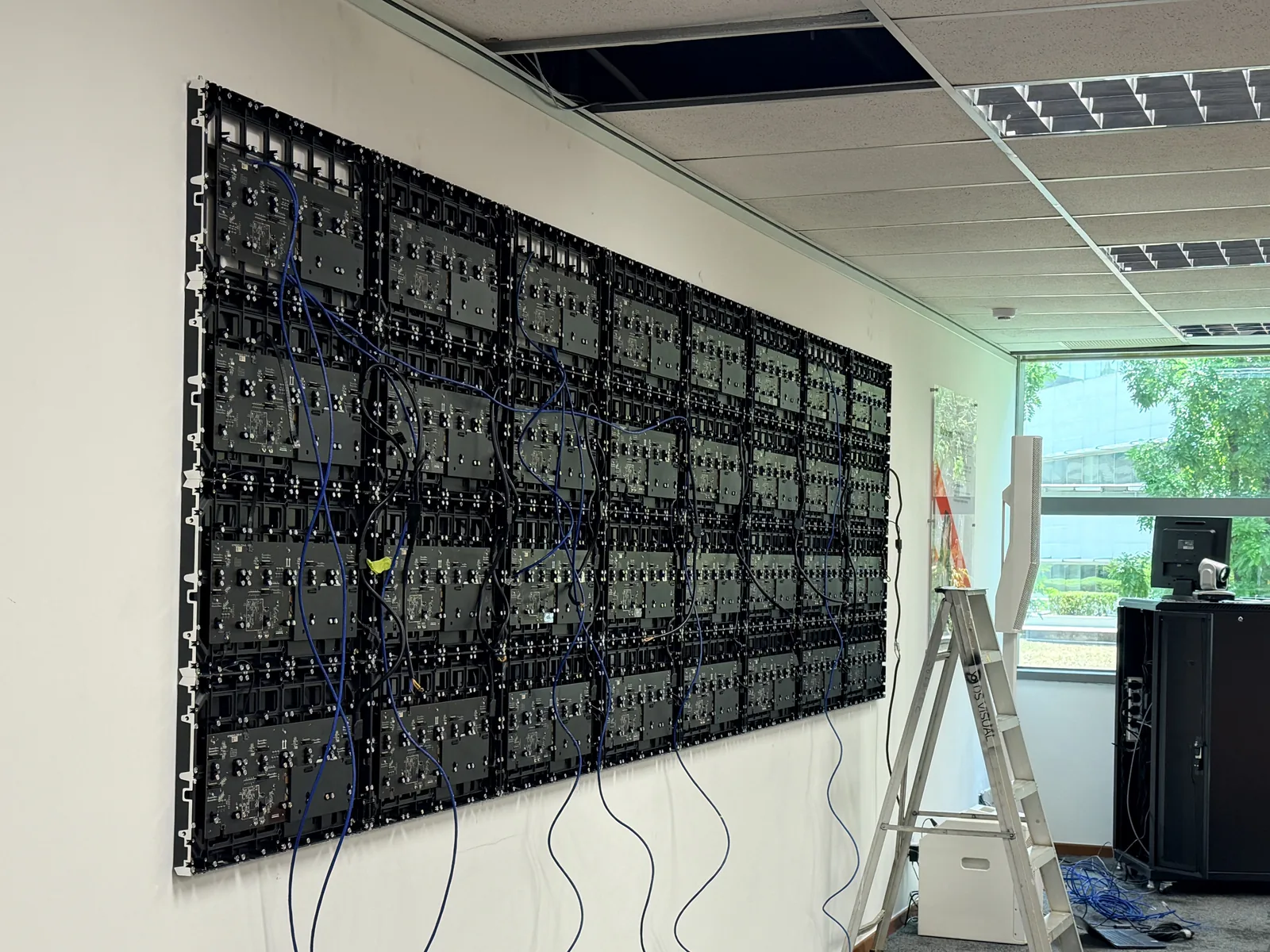
LED Wall Size Calculator
Enter your wall size, then add or remove cabinets to see the screen size, resolution and weight. Based on Atomic 13 cabinets, 640 × 480 mm each.
Your wall (metres)
Cabinets
"Fill my wall" leaves about 5 mm on each side for installation.
Your content (optional)
Fills the whole screen, stretched to fit, on the drawing and in the pixel close-up. Your image stays on your device. It is not uploaded.
Pixel close-up at P2
Drag to move around the screen. Each dot is one LED pixel, spaced at the pitch you picked.
- Screen size
- -
- Resolution
- -
- Cabinets
- -
- Weight
- -
- Max power
- -
- Viewing distance
- -
A planning guide, not a quotation. The drawing and pixel close-up are simulations. Colour, brightness and sharpness on a real LED screen will look different from your monitor or phone. Weight is for the cabinets only, not the mounting frame. We confirm power, structure and the final size after a site check.
Tetsu Series: Curved and Custom LED Walls
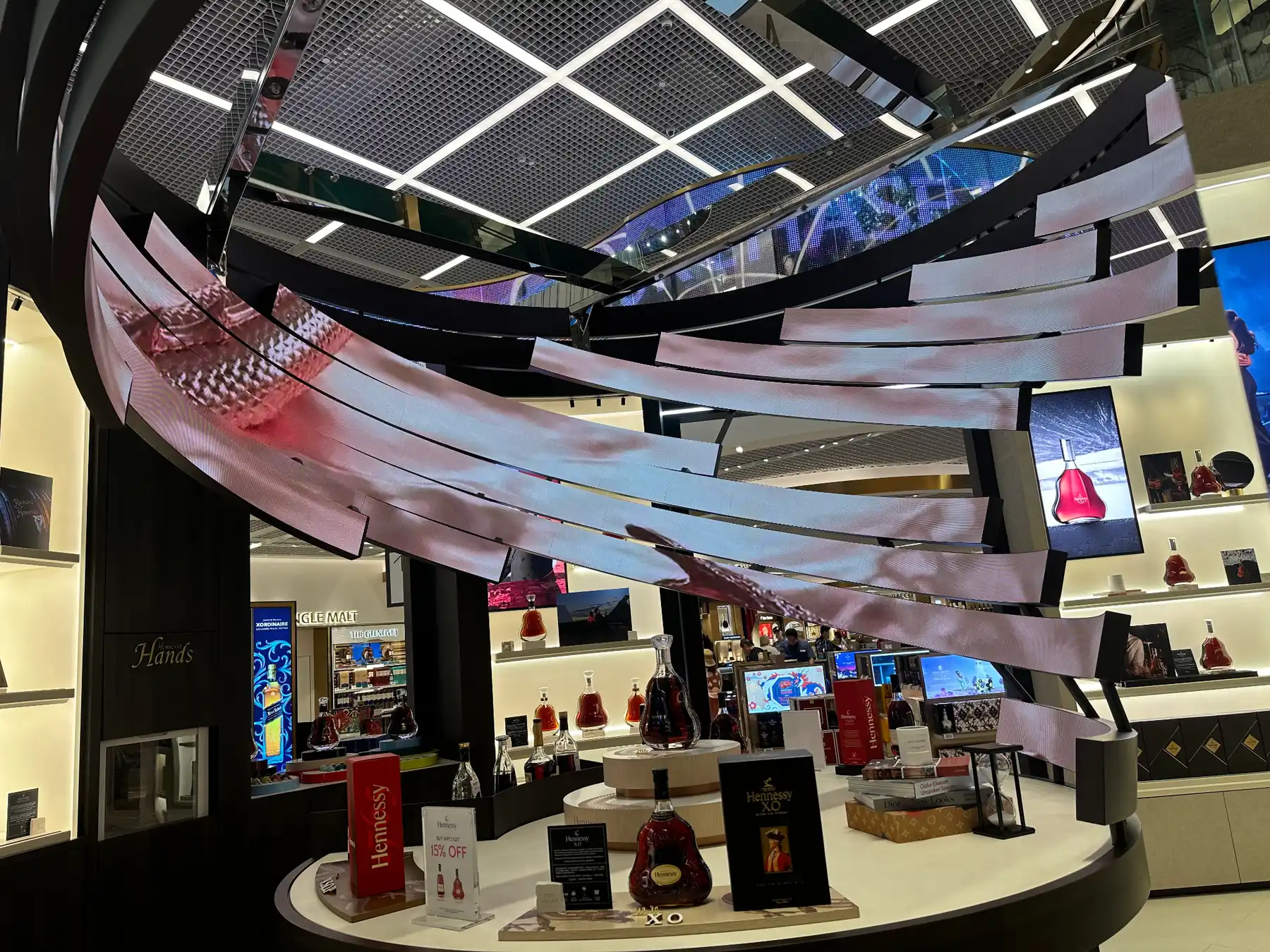
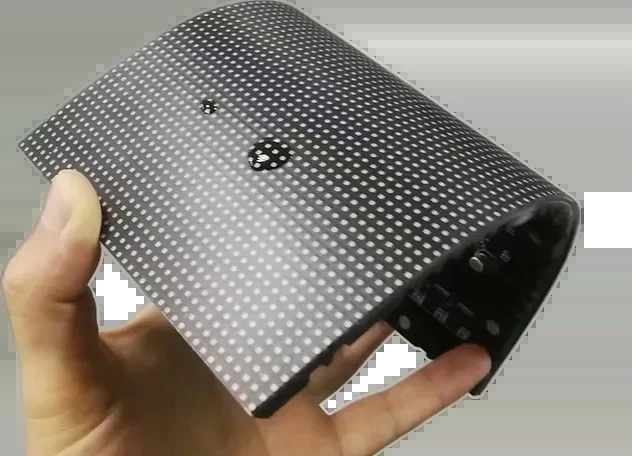
Tetsu uses LED modules held entirely by magnets on a custom-built frame. That lets us shape the display into curves, spirals and other custom forms.
We limit Tetsu to P2 and above. At finer pitches, keeping a curved or customised screen sufficiently flat and uniform becomes difficult, so we do not offer those pitches for this series.
Show Series: LED Walls for Auditoriums, Halls and Stages
Show Series uses 500 × 500 mm cabinets, a plug-in power box and quick power and data connections. It is designed to be flown on chain hoists in auditoriums, multipurpose halls, community centre halls and stages.
Its flat cabinets can be angled to form a slight faceted arc. For a true curve, choose Tetsu.
Show Series is commonly used in halls with around 6 m ceiling height; this is typical, not a minimum. Every Show Series cabinet can be serviced from the front or the rear.
Choosing the Right Pixel Pitch
A smaller pixel pitch is generally chosen for closer viewing. For stages and halls where audiences watch from farther away, Show Series commonly uses P3 to P4.
Use the simple size and resolution planner below to start a discussion. It is not a substitute for a site assessment or a confirmed specification.
LED screen 1280 × 960 mm
Pixel Pitch Visualiser
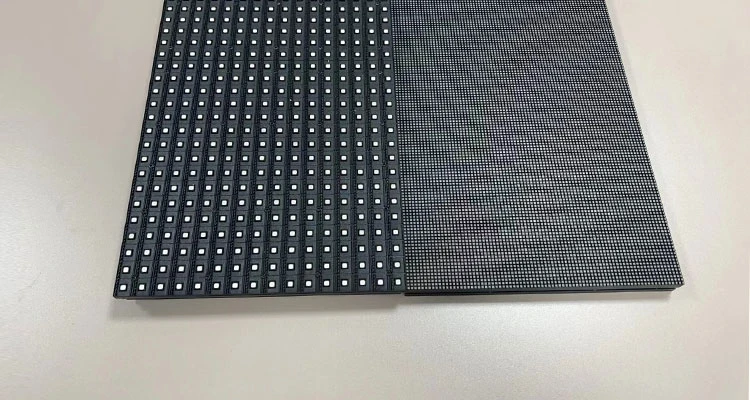
The same content on the same 1280 × 960 mm screen at three pixel pitches. Pick a viewing distance, or drag any screen to move around. All three screens move together.
View
Content
What pixel pitch means
Pitch is the distance between the centres of two LEDs, in millimetres. A smaller number packs more LEDs into the same screen, so it shows finer detail.
Why small text suffers first
Large titles look similar at every pitch. Small prices, fine print and Chinese characters need more LEDs per letter, so they break up first on a larger pitch.
Distance changes everything
Viewed from far away, the dots blend together and the screens look alike. The closer your audience stands, the smaller the pitch you need.
Not sure which pitch suits your space? Tell us the wall size and how far away people will stand, and we will recommend one.
WhatsApp usSimulation only. This shows how the pixels are laid out, not how the screen will look in person. A real LED screen is far brighter than your monitor, and every monitor shows these dots a little differently. See the pitches side by side on the LED comparison wall in our showroom before you decide. Your image stays on your device; it is not uploaded.
Planning a Flush or Recessed LED Wall
For interior designers and architects: a fully zero-gap fit between an LED screen and surrounding wall or frame is not achievable because of installation workmanship tolerances.
Plan for about 5 mm clearance on each side. Atomic 13 cabinets are about 60–75 mm deep; Tetsu builds are about 90–100 mm deep.
Confirm the total niche depth, including mounting structure and cabinet, with DS VISUAL before finalising carpentry or wall details.
Installation and Maintenance Access
Front is the screen face that viewers see; rear is the back of the cabinet against the wall or structure. Leave access on the side where the technician works.
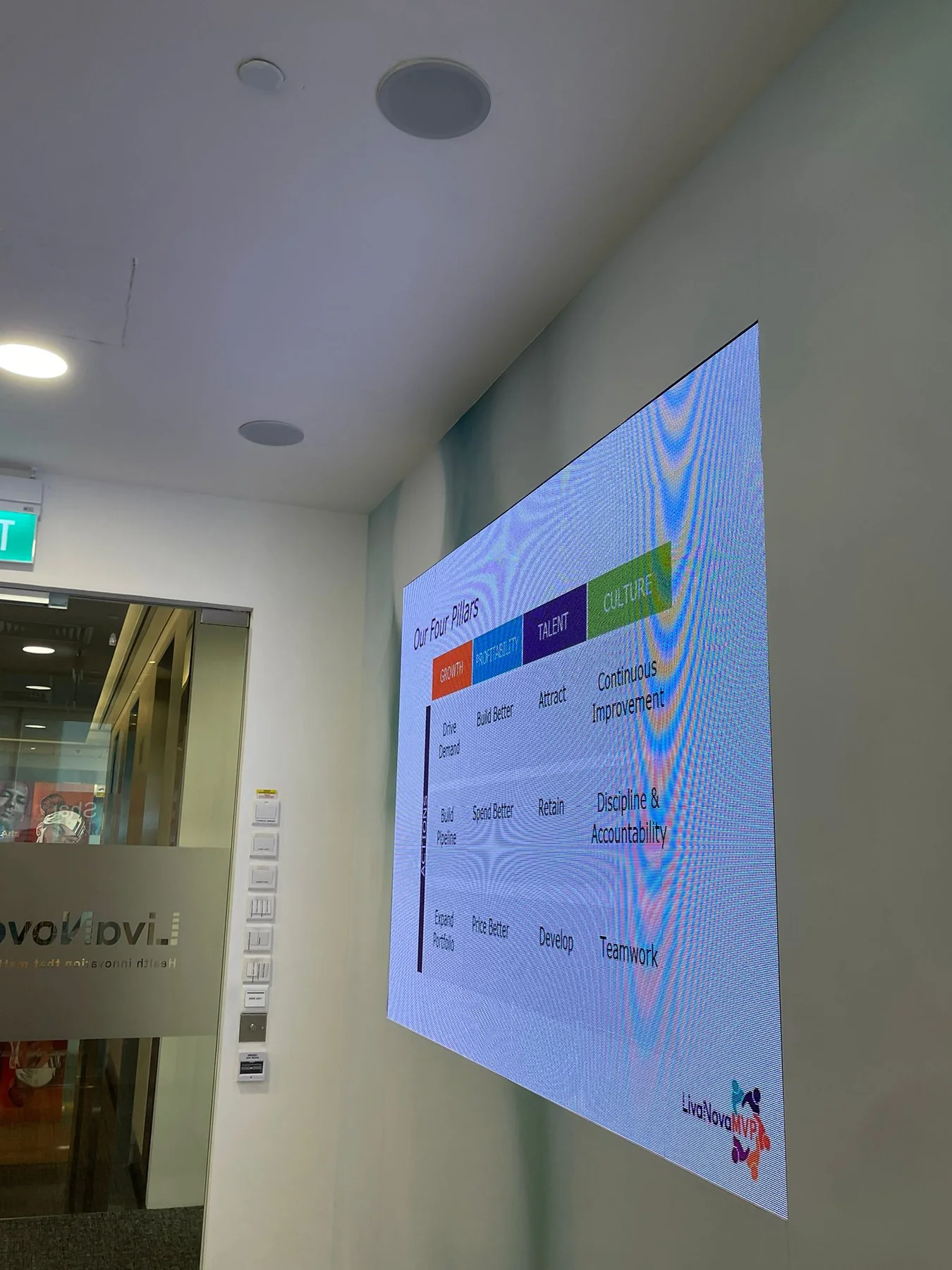
Atomic 13 and Tetsu are front-service, so they mount close to the wall. Keep about 60 cm clear in front of the display for maintenance. Avoid counters, shelves or partitions tight against the screen.
Rear-service screens, including many transparent and some outdoor LED displays, need a hand’s-width clearance at the front plus room to move so a module can be removed. We confirm the appropriate access arrangement for each installation.
Protecting LED Walls in High-Traffic Areas
In lobbies, malls, retail floors and event spaces, people may touch, lean on or knock an LED wall. Standard LED modules have exposed LEDs that can break off, leaving obvious dead spots. The right protection depends on pixel pitch and whether the screen is flat or curved.
| LED wall type | Protection approach | Planning guidance |
|---|---|---|
| LED modules, P2.5 and finer | GOB (glue on board), a clear protective layer sealed over the LEDs. | Recommended when screens can be reached or knocked. |
| P3 and above | Protective mesh grille over the LED modules. | Designed to reduce knocks to exposed LEDs, including on Show Series screens. |
| Curved or spiral LED modules | Flexible GOB modules for curved and spiral Tetsu builds. | Clear protective coating resists knocks, dust and moisture. |
GOB protection is now available on both flat and curved Tetsu builds, using flexible modules for curves. A clear protective layer covers the LEDs, so they resist knocks, dust and moisture.
Indoor LED FAQs
- Which indoor LED wall should I choose?
- For a flat wall, choose Atomic 13. For curved or unusual shapes, choose Tetsu. For hanging installations in halls or above stages, consider Show Series.
- Why is Tetsu limited to P2?
- Its magnetic modules sit on a custom frame. Below P2, keeping a curved or custom screen flat and uniform becomes unreliable, so DS VISUAL does not offer it.
- Can the LED wall sit flush with no gap?
- Not completely. Allow about 5 mm on each side for installation tolerances, and confirm the final niche depth with us.
- Do I need space behind the screen?
- Not for Atomic 13 or Tetsu. They are serviced from the front, so they mount flat against the wall. Keep about 60 cm clear in front of the screen for our technician.
- What happens if people touch or knock the LED wall?
- On a standard LED wall, knocks can break LEDs off and leave dead spots. For screens up to P2.5 that people can reach, we recommend GOB, which seals a protective layer over the LEDs. For P3 and above, we fit a protective mesh grille over the modules. GOB protection is now available on both flat and curved Tetsu builds, using flexible modules for curves. A clear protective layer covers the LEDs, so they resist knocks, dust and moisture.
Warranty and support:
DS VISUAL supplies this product under its own brand and handles the warranty. Standard 1-year warranty, extendable by 1 or 2 years at additional cost. LED warranty options are available up to 5 years.
Explore related display options
Who we work with
Different people, different questions. Here's what we do for each.